
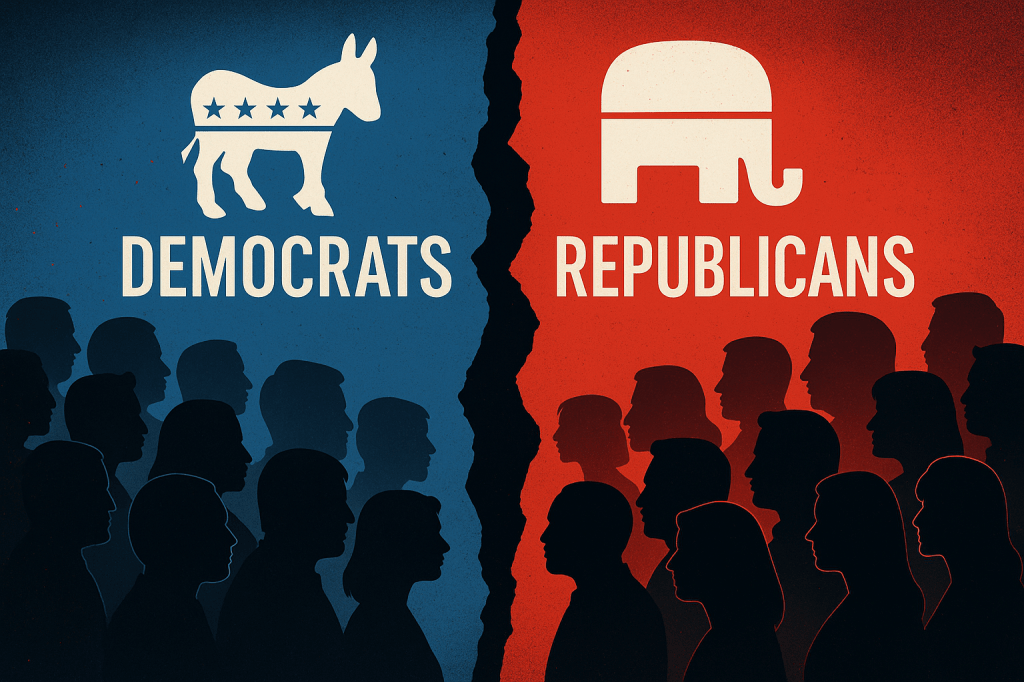
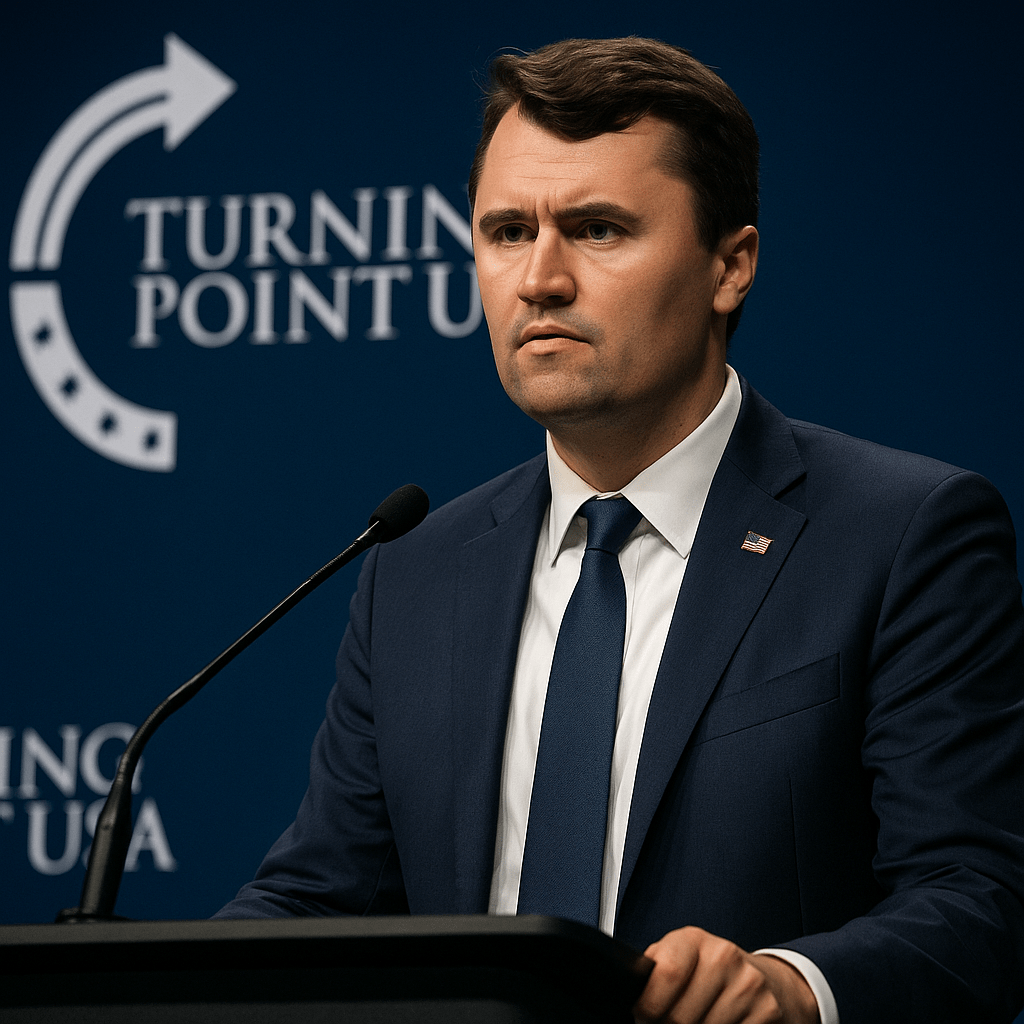
Charlie Kirk’s death cannot be viewed in isolation. American democracy has endured a disturbing lineage of attacks on political leaders and activists spanning the ideological spectrum. Alabama Governor George Wallace was paralyzed by an assassin’s bullet while campaigning for president. Congresswoman Gabby Giffords was wounded at a constituent assembly in Arizona. Congressman Steve Scalise was shot at a congressional baseball game in Virginia. Even Donald Trump, just months ago, missed an attack on his life in Pennsylvania. On June 15, 2025, Minnesota House Speaker Melissa Hortman and her husband were both murdered in their home. The lesson here is stark: political violence is not a partisan issue. It transcends ideology, eroding trust in institutions and silencing the dialogue that is vital to moving our country forward.
The precedent which Kirk’s assassination sets is chilling. In our democracy, where the freedom of speech is a first amendment right, disagreement is supposed to be mediated through ballots, not bullets. Yet each act of political violence makes armed retaliation seem more like a viable tool of self expression, and less like an unthinkable betrayal of the most important civic trust, peace. If high profile voices can be silenced mid sentence, what does that mean for teachers, board members, or local activists who want to speak out? Public anger is reaching a fever pitch, and the presence of federal troops in Washington DC and Chicago, alongside ICE patrols in LA, signals to an America that is increasingly governed by force rather than freedom. If violence becomes the accepted price of holding an opinion, the very premise of pluralism collapses. This is the moment to decide: do we accept a democracy where differences are resolved through intimidation, or do we collectively recommit to protecting peaceful dialogue, even with those whose views we reject?
Kirk’s death is not only the product of one person’s act of violence but the culmination of years of deepening polarization in America. For too long, our political culture has thrived on outrage as fuel – media ecosystems that reward the most incendiary voices, social platforms that amplify vitriol, and politicians who score points by vilifying their opponents rather than debating them. This environment blurs the line between disagreement and dehumanization. When opponents are cast not just as wrong but as wicked, the path to violence becomes frighteningly short. Again, both parties are guilty of this escalation, normalizing a language of enemies rather than neighbors. Kirk himself embodied this polarization, rallying young conservatives with uncompromising fervor while earning equally uncompromising critics. His assassination is not just a tragedy but a collective indictment: a democracy that cannot tolerate dissent without demonization will inevitably corrode into a violence-ridden catastrophe.
Written by: Marley Freyman, 17
 The Youth Perspective
Leave a comment